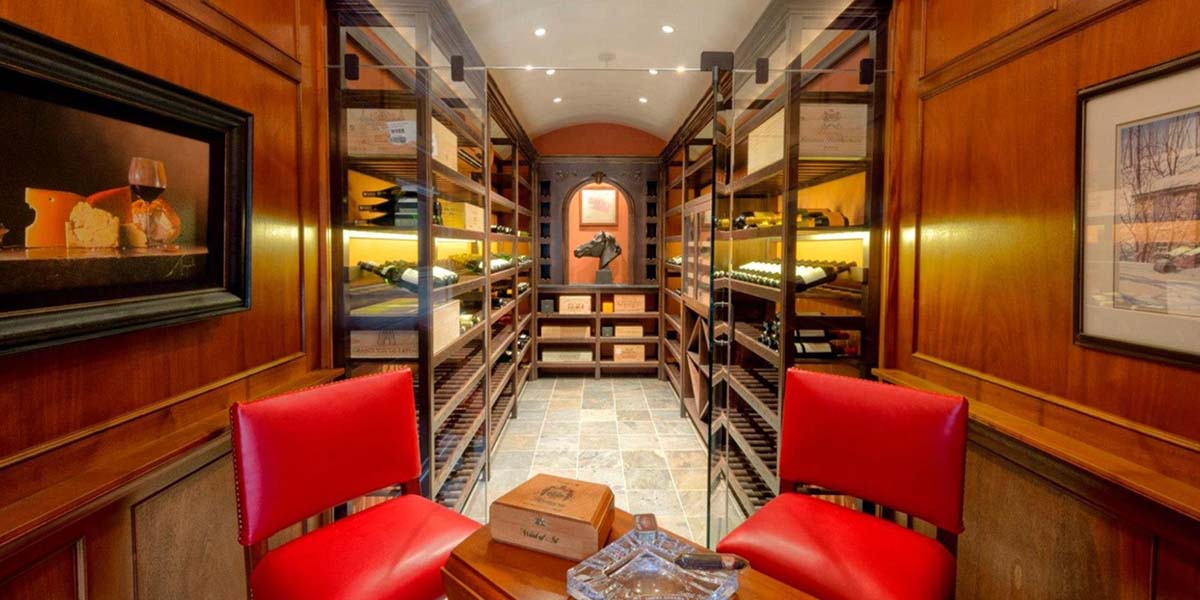
For decades, traditional wine storage meant one thing: subterranean dark rooms filled with heavy mahogany archways, stone accents, and dusty corners. While classic subterranean vaults still have their place, the modern architectural movement has shifted the narrative. Today's collectors want their vintages front and center—integrated directly into the main living, dining, and entertainment spaces of their homes.
A contemporary wine cellar is an architectural showpiece. It pairs clean geometry, high-visibility glass, precision metal accents, and sleek hardwoods with cutting-edge climate engineering. Bringing your collection out of the basement and into the main floor requires an exacting balance of modern design and rigorous building science.
At Cellarium Wine Cellars, we specialize in designing and constructing custom contemporary wine spaces for modern estates, urban penthouses, and luxury hospitality venues across the country. Here is how we execute modern wine design without compromising bottle preservation.
Modern design relies on minimalism, structural clarity, and visual impact. Achieving a contemporary feel while protecting fine wine requires specialized materials and intentional construction choices.
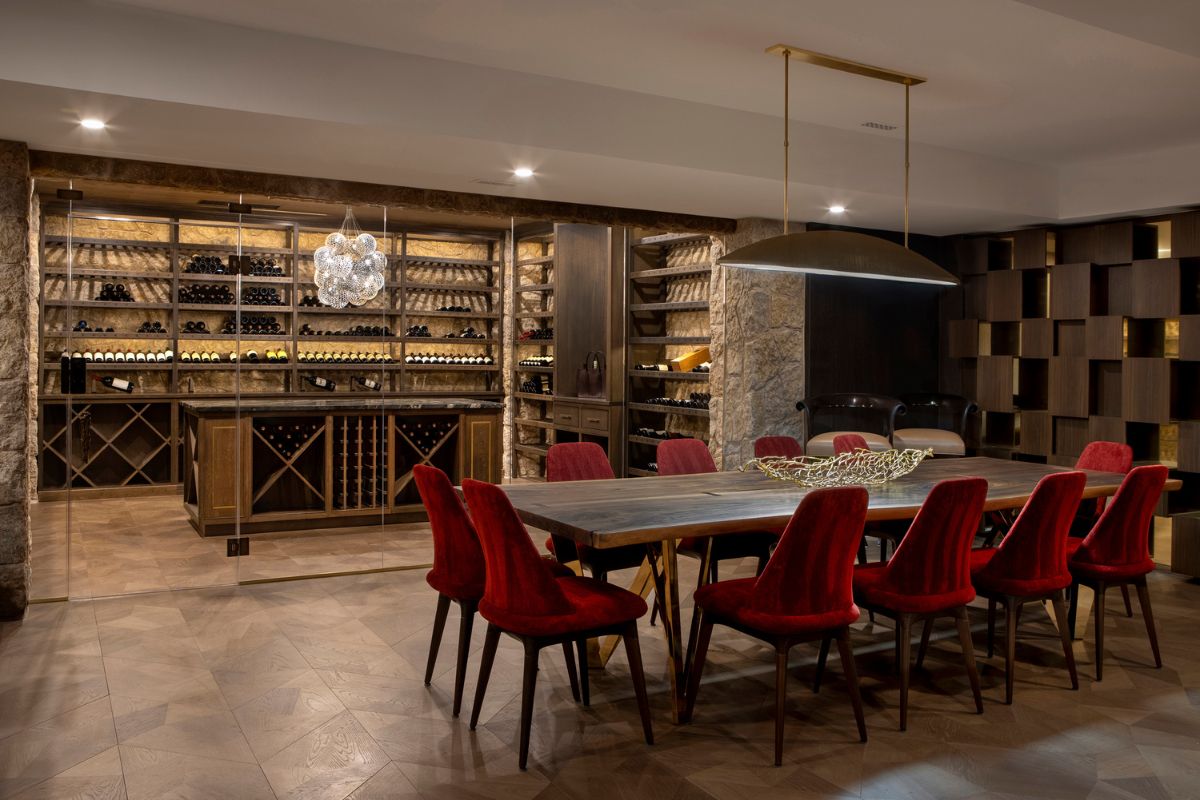
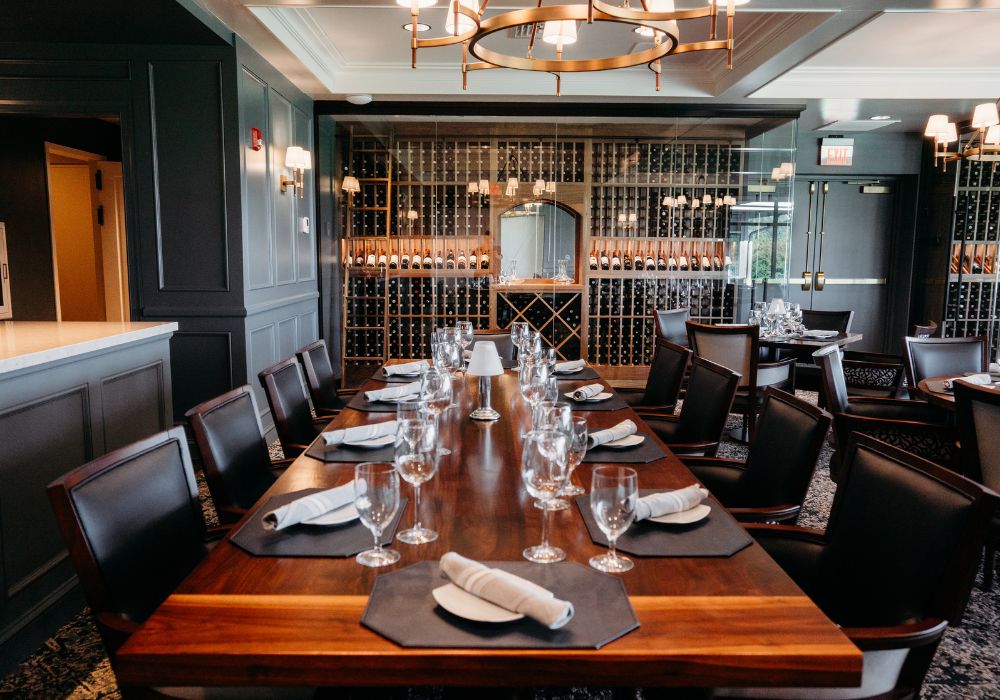
Glass is the defining element of the contemporary wine cellar. It transforms a stored collection into a gallery wall, creating visual continuity between your living space and your cellar.
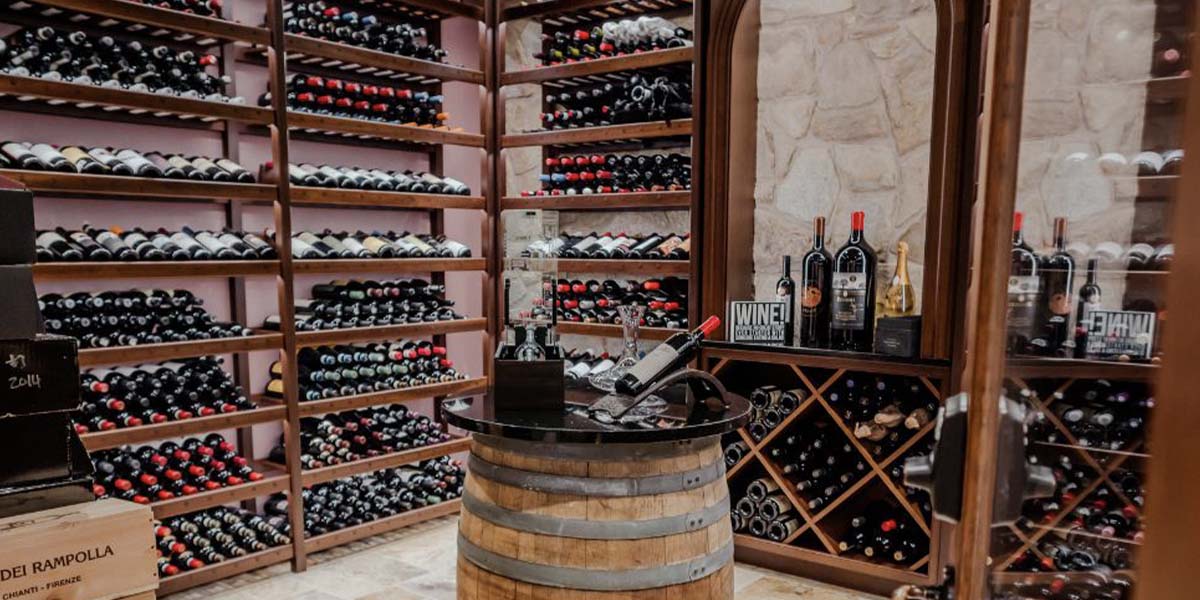
Traditional cellars favor heavy, enclosed wood cubbies. Contemporary layouts open up the space using low-profile, minimalist racking:
Lighting in a modern cellar must be both dramatic and safe for wine. Standard halogen or incandescent bulbs emit heat and UV rays that degrade wine quality over time.
We integrate low-voltage, cold-emission LED strip lighting into hidden channels along the racking frames, ceiling reveals, and floor borders. This highlights the bottle silhouettes and glass edges with a soft, ambient glow while generating zero heat within the thermal envelope.
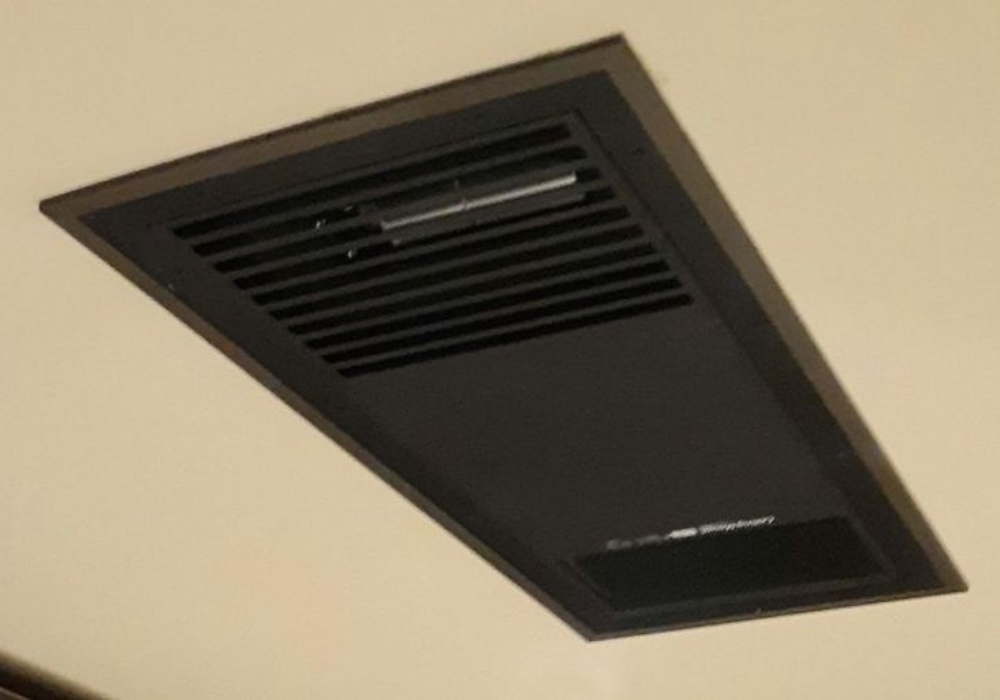
The challenge of modern design is hiding the mechanical infrastructure required to keep the environment stable. A sleek glass box looks effortless, but glass transfers heat far faster than a standard insulated wall.
To maintain a consistent 55°F and 60% relative humidity inside a high-visibility glass room, we apply strict engineering controls:
Modern wine rooms are versatile and can be tailored to various architectural layouts:
Does a glass wine room fog up on the outside?No. Condensation occurs when warm room air hits a cold glass surface that lacks proper insulation. By using dual-pane, argon-filled thermal glass combined with precise humidity management, the outer glass panel remains at room temperature, keeping the glass completely clear.
Are metal wine racks safe for long-term bottle storage?Yes. Precision metal pegs and silicone-sleeved rods hold bottles securely at the neck and base without placing stress on the glass or scratching delicate paper labels.
Can contemporary wine cellars hold large collections?Aesthetics do not have to compromise capacity. By combining high-density floating peg systems, label-forward ledges, and hidden bulk storage drawers below, a contemporary room can hold hundreds—or thousands—of bottles efficiently.
A contemporary wine cellar combines the art of architectural design with the discipline of building science. It turns your passion for wine into an enduring visual anchor for your home.
Explore our Project Portfolio to see how we blend glass, timber, and metal into modern estates across the country. Contact our team today to schedule an initial design consultation for your space.
Smart Layouts. Solid Materials. Expert Installation.


.png)




.jpg)