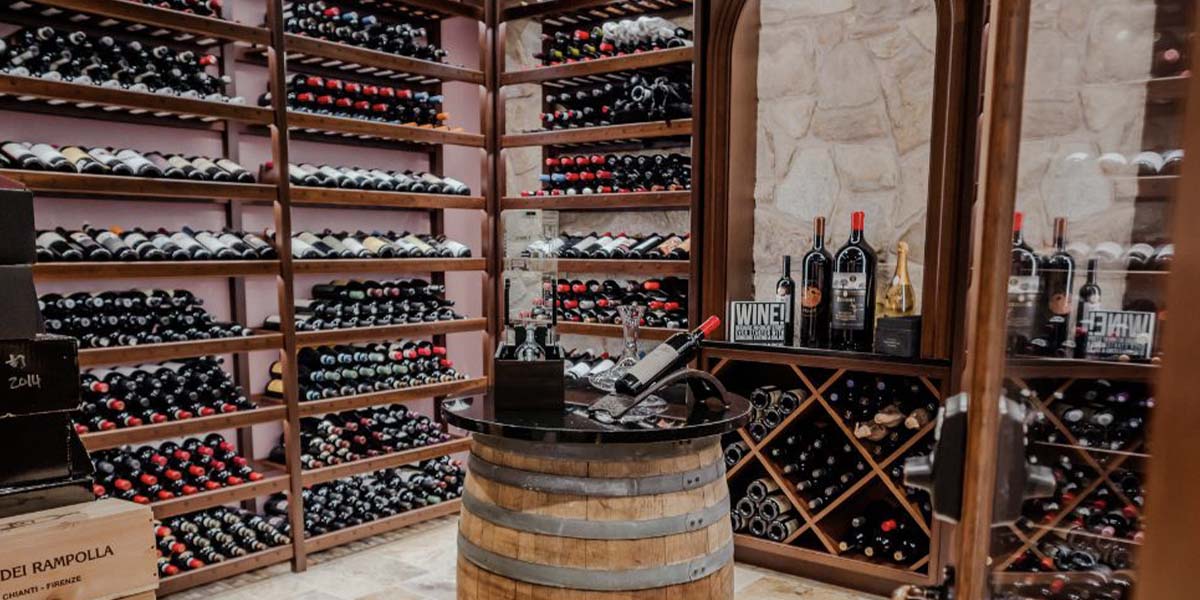
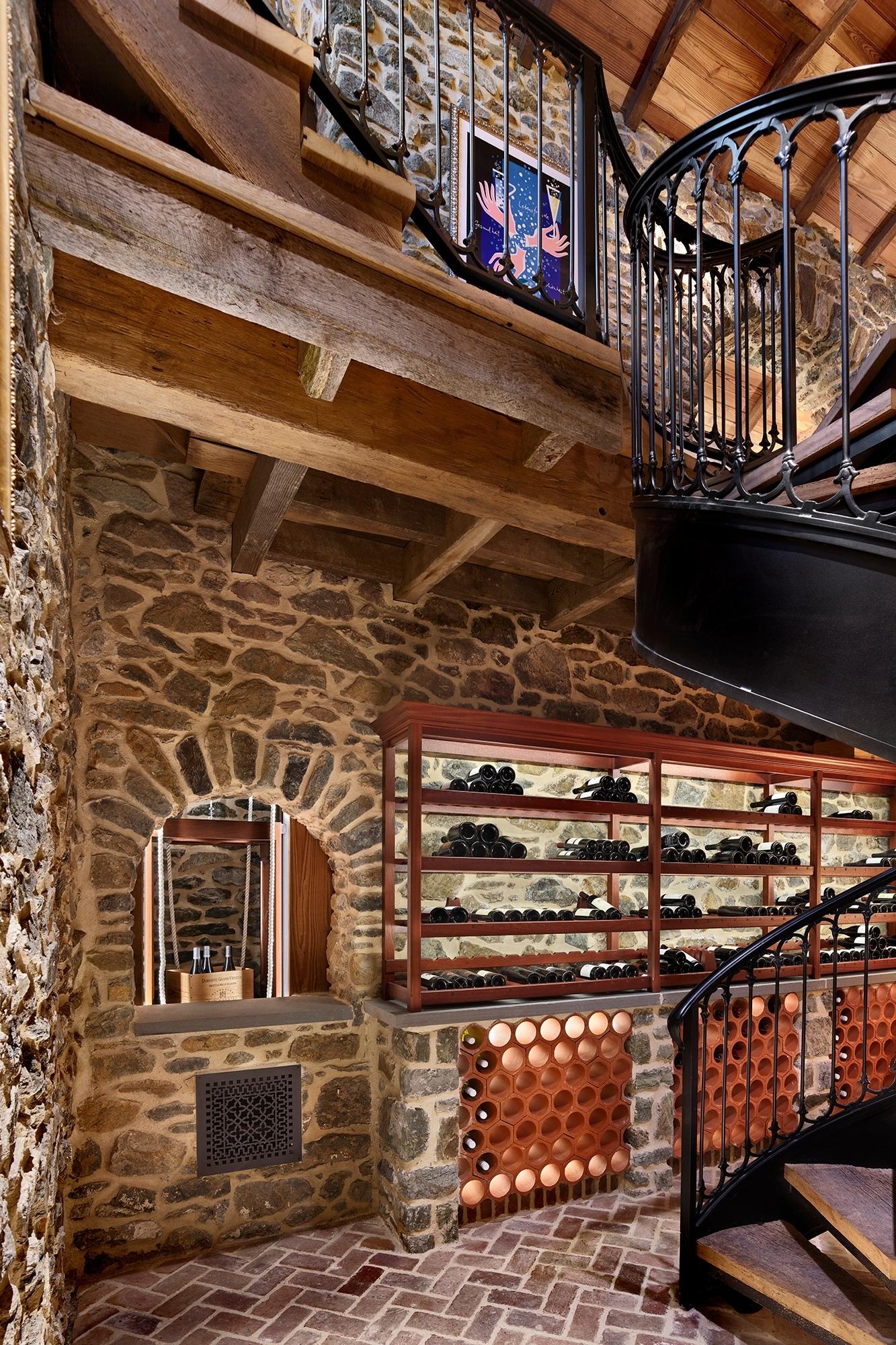
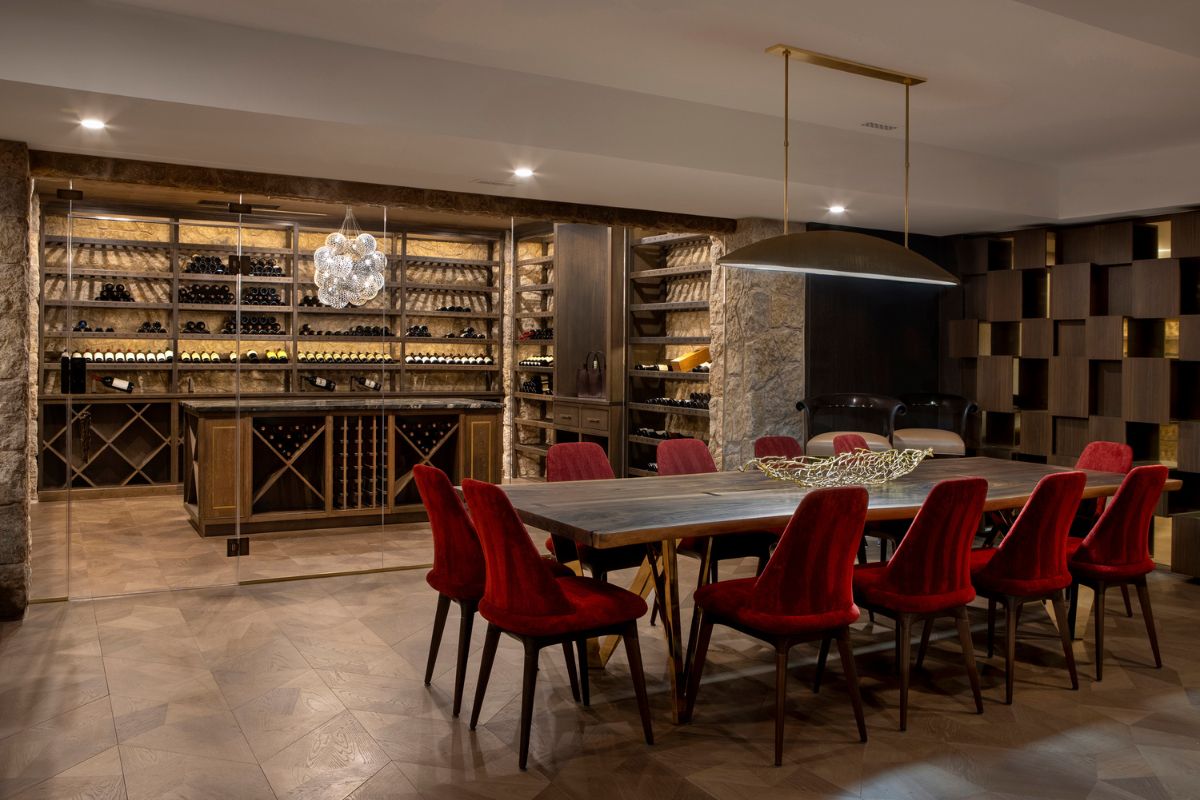
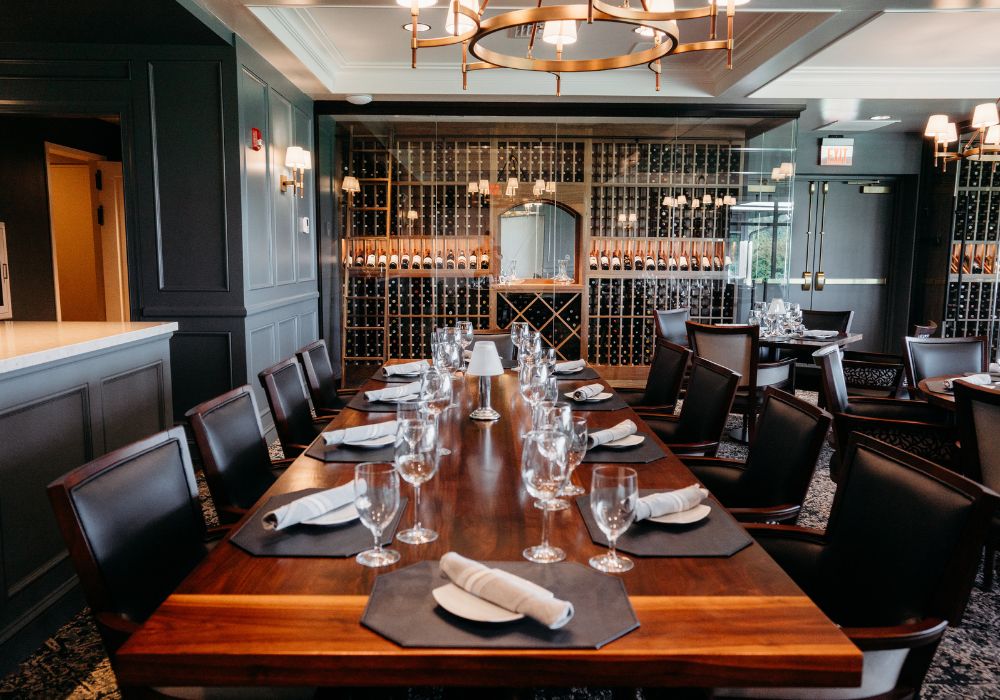
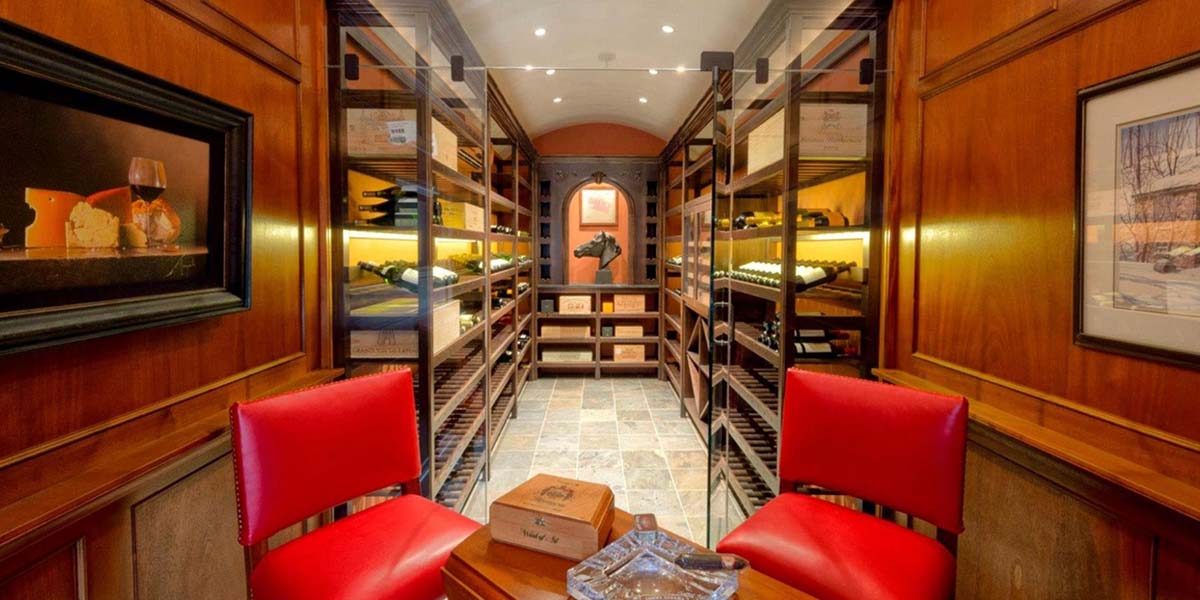
Building a private wine room inside a residence is not an exercise in basic cabinetry. A collection of fine wine is an active, evolving financial and personal investment. Left in a standard domestic room, subtle daily temperature swings and dry indoor heating cycles will degrade the liquid, dry out the corks, and shorten the lifespan of your bottles.
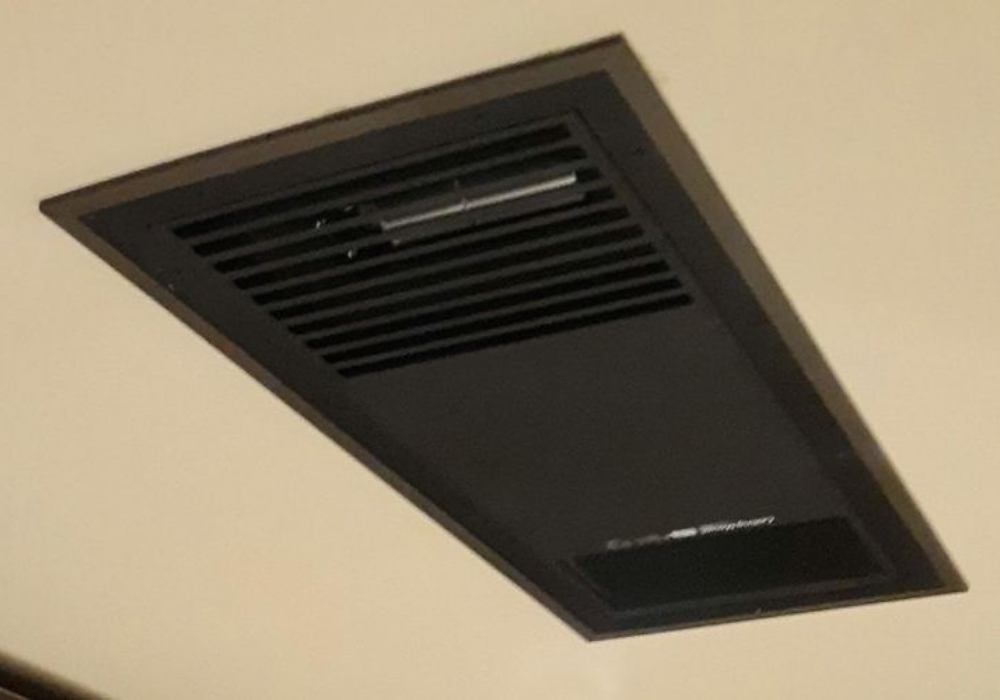
True home wine cellars require specialized building science. The enclosure must maintain a steady 55°F temperature and 60% relative humidity year-round, completely isolated from the heating and cooling cycles of the main house. Without the proper thermal envelope, condensation forms inside wall cavities, framing rots, and cooling compressors burn out.
At Cellarium Wine Cellars, we design, engineer, and build high-performance residential cellars across the country. Rooted in traditional Pennsylvania woodworking and technical mechanical discipline, we manage your residential project from thermal load calculations through final hardwood millwork installation.
A home cellar functions as a standalone microclimate within your floor plan. We construct every private residence build around strict engineering fundamentals:
Inside the room, materials matter as much as mechanicals. Commercial stains and low-grade plywoods emit volatile organic compounds (VOCs) that can penetrate natural corks over decades.
We build our residential racking from scratch in our Pennsylvania workshop using solid, hand-sanded hardwoods like Sapele Mahogany, Black Walnut, and Cherry. Every cubby is beveled to protect fragile paper labels, and our wood is left natural or finished with zero-VOC, cellar-certified sealants.
Can a home wine cellar be built on a main or upper living floor?
Yes. While subterranean basements offer natural thermal mass, a properly engineered envelope with closed-cell spray foam, commercial vapor barriers, and dedicated split cooling can be installed anywhere in a home—including dining rooms, living areas, or second-floor suites.
How do you determine the correct bottle capacity for a home?
We evaluate your current bottle count, average annual acquisition rate, and case-purchasing habits. We typically recommend designing for 25% to 30% beyond your current inventory to allow your collection to expand without requiring future structural remodeling.